




Selecting and Cleaning the Fruit
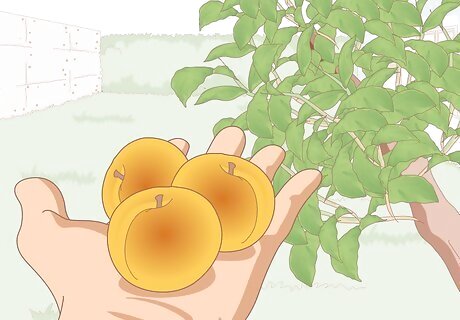
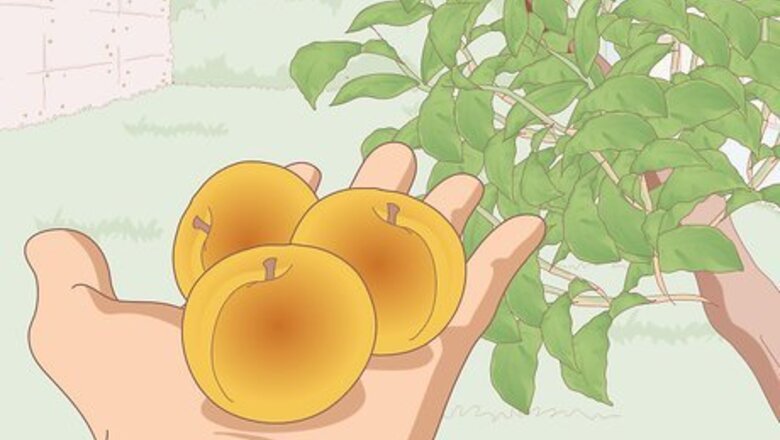
Choose firm apricots that are deep orange or yellow for drying. Only dry the freshest apricots since they’ll produce the best flavor. Avoid picking apricots that are still green or that have bruises because they may taste more bitter than ripe fruit. Lightly squeeze the apricots to make sure they don’t have any soft spots that could affect the flavor. You can dry store-bought or home-grown apricots. If you’re using home-grown apricots, try to pick them fresh off the tree before they fall on the ground so they’re less likely to have bruises. You may also cut off bruised or discolored areas of the fruit with a knife.

Rinse and dry the apricots to remove dirt. Hold the apricots in the coldest water from your faucet and gently rub the skin with your hands. Scrape any dirt or dust off of the apricots and shake off the excess water. Set the fruits on a paper towel or clean cloth and pat them dry so they don’t have any water left on them. If there’s stuck-on dirt or debris, clean it off the apricot skin with a soft-bristled cleaning brush.

Cut the apricots into halves or quarters to get rid of the pit. Place the blade of a serrated knife on top of the apricot so it goes through the middle of the fruit. Push the blade into the fruit until you feel it hit the seed inside. Rotate the apricot in your hand to cut all the way around the fruit. Twist the 2 halves of the apricot to separate them before popping the seed out with your knife. You may either use the apricot halves or cut them again into smaller quarters. Use your finger to push the pit out from the fruit. You do not need to remove the apricot skin since it’s edible. Avoid using a knife with a flat edge since you could make the blade dull.Warning: Apricot pots are toxic if ingested, so make sure you remove them completely from the fruits.
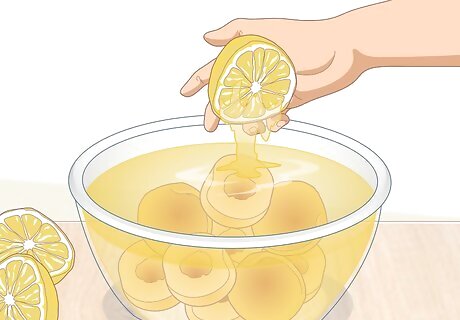
Soak the apricots in lemon juice and water to prevent discoloration. Fill a large mixing bowl with equal parts of lemon juice and cold water and stir them together. Put the apricot pieces into the bowl and leave them to soak for 5 minutes in the solution. Strain the liquid out from the bowl and set the apricots on paper towels to remove the excess liquid. The lemon juice solution preserves the color of the apricots and prevents vitamin and mineral loss. You don’t need to soak the apricots beforehand if you don’t want to.
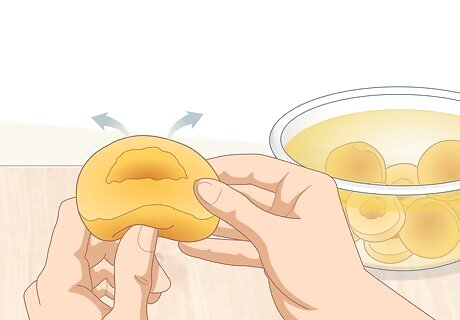
Turn the apricot pieces inside out to help them dry better. Hold an apricot piece by the cut edges so your thumb presses against the skin side of the fruit. Push the apricot’s skin forward to expose more of the fleshy interior to the air. Continue turning the rest of the pieces inside out the same way.

Wait for temperatures above 85 °F (29 °C) and humidity below 60%. Check your local weather forecast to find a 3–4 day period when temperatures reach at least 85 °F (29 °C), or else the apricots will not dry out as well. If the humidity stays below 60%, then the moisture in the apricots will evaporate and dry your fruit. If it’s higher, the apricots will stay moist and could develop rot. Drying apricots works best during mid- or late-summer when temperatures are the highest. If the weather in your area doesn’t meet the minimum requirements, then you need to use your oven or a dehydrator to dry out the apricots.
Dehydrating the Apricots

Space the apricots evenly on a cooking tray with a wire rack. Set a wire rack on a rimmed cooking tray so it’s 1 inch (2.5 cm) above the tray’s surface so air can flow underneath it. Place the apricot pieces on the wire rack so they have about ⁄4–⁄2 inch (0.64–1.27 cm) between them. Try to keep the apricot pieces organized by similar sizes so they dry out more evenly. If you don’t use a wire rack, you will need to flip the apricot pieces 1–2 times daily to ensure they’re drying evenly.
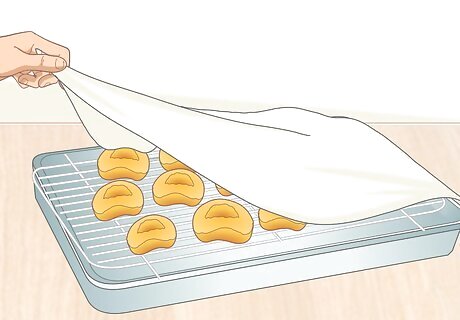
Cover the fruit with cheesecloth to protect it from bugs. Get a piece of cheesecloth that’s large enough to cover the top of the tray and wrap around the bottom edges. Pull the cheesecloth tightly on top of the wire rack so it covers the fruit, and secure it to the bottom of the tray with masking tape. Leave the cheesecloth on the fruit the during the entire drying process so bugs and pests don’t eat the fruit. Buy cheesecloth at kitchen supply stores or online. You may also use a piece of muslin if you aren’t able to get cheesecloth.

Place the cooking tray in an area with direct sunlight during the day. Look for a flat area outside that receives sunlight throughout most of the day to place your tray. Don’t set the tray anywhere that pets, pests, or children can knock it over or get the fruit while it dries. Make sure the tray stands stable and doesn’t tip over if it moves around. Leave the tray alone while the apricots dry in the sun during the dayVariation: You can also keep the tray inside of a car on the dashboard if you’re worried about pests getting into it.

Bring the apricots inside overnight to keep them dry. Moisture and dew can develop when temperatures lower at night, which may affect how quickly your apricots dry. After the sun sets, take the tray back in your home and keep it on a counter or table overnight. Keep the apricots covered while they’re inside so dust or dirt doesn’t get on them. If you accidentally leave the apricots outside overnight, check them in the morning for any soggy or moldy pieces. If you find any mold forming, throw away the entire tray since they could all be contaminated. Bring the apricots inside if it rains since the moisture could ruin the entire tray.

Put the tray outside for 2–4 days until the apricots have a leathery texture. Continue setting the apricots out in the sun each day and bringing them back inside at night. After each day, pull the cheesecloth off of the tray and feel the apricots. If you’re able to bend them and you don’t feel any moisture on the cut edges, then they’re finished drying. If they still feel moist, put them back out the next day. It may take longer for your apricots to dry if you have lower temperatures.
Treating and Storing the Apricots
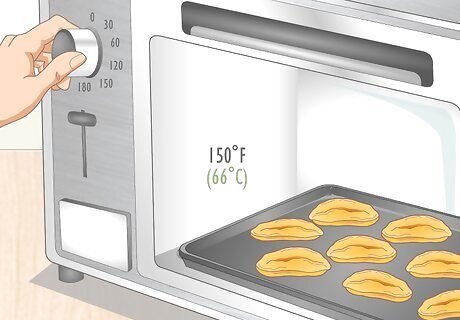
Heat the apricots in a 150 °F (66 °C) oven to remove additional moisture. Preheat your oven to 150 °F (66 °C) and let it warm up completely. Transfer the apricot pieces to a clean baking tray and set it inside your oven for about 30 minutes. Take the tray out of the oven and let the pieces cool completely. The heat will remove moisture that’s still left inside larger pieces as well as kill any bugs or bacteria that may have gotten into the fruit.
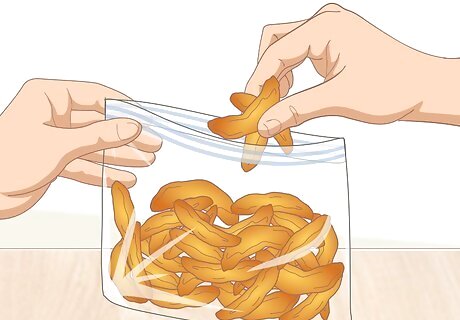
Keep the dried apricots in an airtight container or bag. Use a resealable plastic bag or container with a lid so the apricots keep their leathery texture. Seal the container tightly to prevent the pieces from drying out any further. Label the container you’re using with the date to keep track of how long they’ll stay fresh.
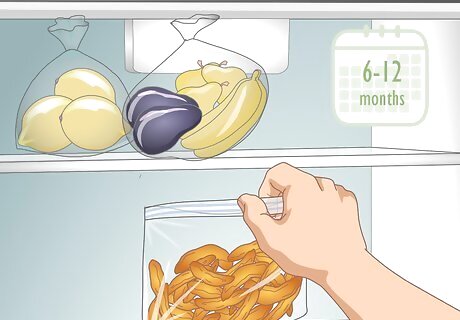
Store the dried apricots in your pantry or fridge for 6–12 months. Dried apricots won’t spoil as easily due to their natural sugars, so you can keep them at room temperature if you want. Otherwise, place the container in your fridge if you want to enjoy the pieces cold. Keep the dried apricot until the pieces begin hardening and become difficult to chew. You may also freeze the apricots for up to 18 months. Take them out of the freezer 1 day before you plan on eating them so they can thaw.









Comments
0 comment