




Crispy Pan-Fried Flounder
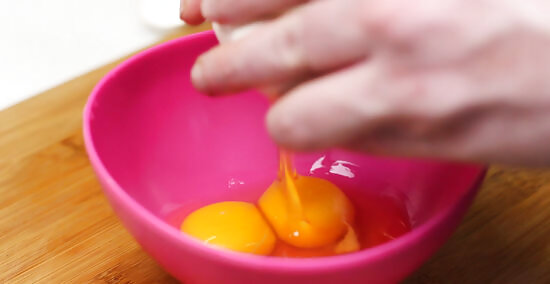
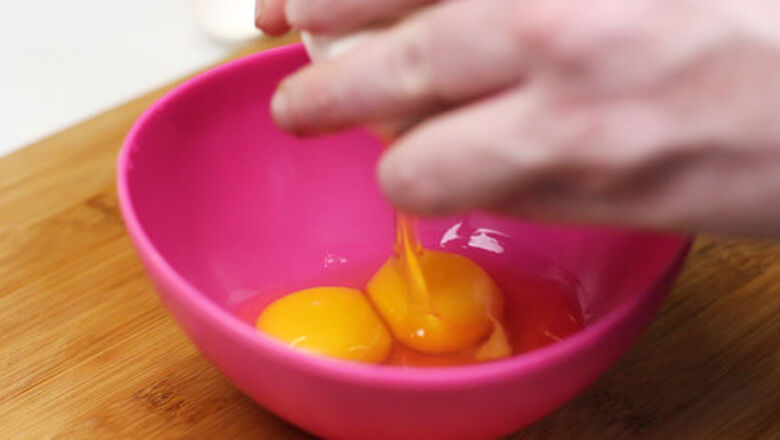
Whisk the egg yolks and milk. Put 2 large egg yolks into a shallow bowl and pour in ⁄2 cup (120 ml) of whole milk. Whisk the yolks with the milk until the yolks are combined. Set the wet mixture aside while you prepare the dredging station.
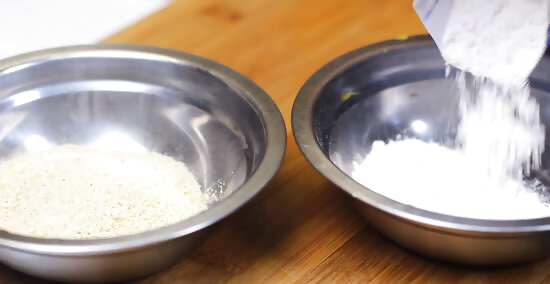
Put flour and breadcrumbs in 2 separate bowls. Place 2 shallow bowls on the counter next to your stove. Measure 1/2 cup (62 g) of all-purpose flour into 1 bowl and put 1 cup (125 g) of plain dry bread crumbs into the other. To make it even easier to coat the fish, put the bowl with the wet mixture in between the bread crumbs and flour.
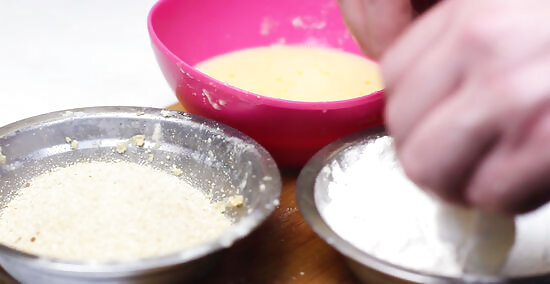
Coat 4 flounder fillets with the flour, wet mixture, and breadcrumbs. Get out 4 (5-ounce or 141 g) flounder fillets and dip each fillet into the flour. Turn them so both sides are coated and then shake off the excess flour. Lower the fillets into the wet mixture and then move them to the breadcrumbs. Ensure they're covered with the breadcrumbs. Set the coated fillets on a large plate while you heat the skillet.
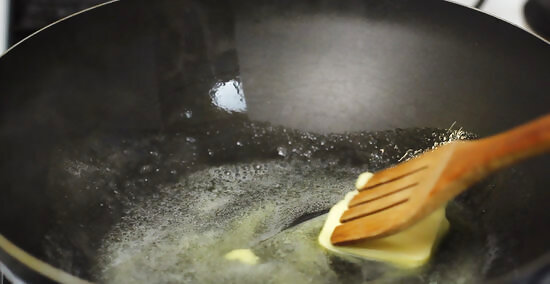
Heat half of the butter and oil in a cast-iron skillet over medium heat. Put 2 tablespoons (29.6 ml) (28 g) of the butter and 2 tablespoons (30 ml) of the olive oil into the skillet. Turn the heat to medium so the pan heats and the butter melts.
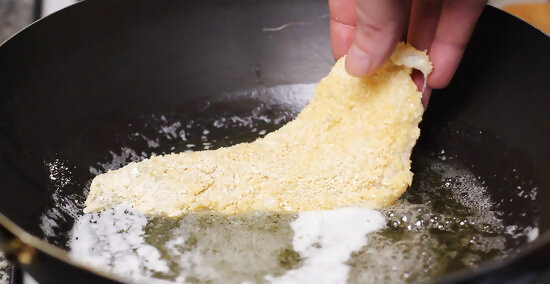
Add 2 of the fillets to the skillet and cook them for 3 minutes on each side. Carefully lower 2 of the coated flounder fillets into the hot skillet and fry them for about 3 minutes. Use tongs to flip the fillets over and cook them for another 3 minutes. The flounder should become flaky and completely cooked in the center while the outsides will brown.
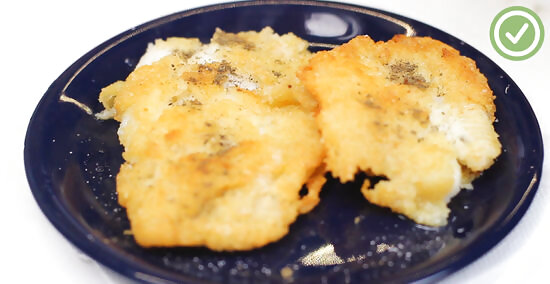
Pan-fry the remaining fillets and serve the flounder. Transfer the cooked flounder to a serving plate. Fry the remaining flounder in the remaining 2 tablespoons (30 ml) of the oil and 2 tablespoons (28 g) of the butter. Once all the flounder fillets have been cooked, sprinkle them with salt according to your taste and serve them immediately. While you can refrigerate the leftover fish in an airtight container in the fridge up to 3 to 4 days, it will become soggy as it's stored.
Frying Cornmeal-Crusted Flounder
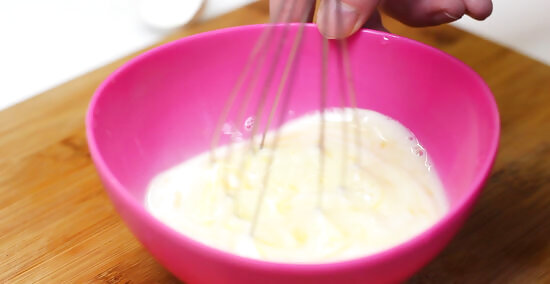
Whisk the buttermilk with 2 large eggs. Crack the eggs into a shallow bowl and pour in 1 cup (240 ml) of buttermilk. Whisk the wet mixture until the eggs are combined. If you don't have buttermilk, you can use regular milk, but the cornmeal may not stick as well to the fillets.
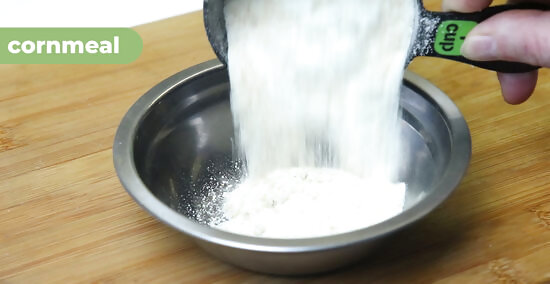
Mix the cornmeal with salt and pepper in a separate bowl. Get out another shallow bowl or plate and set it on the counter. Measure 2 cups (240 g) of yellow cornmeal into it and stir in 2 teaspoons (11 g) of salt and 1/2 teaspoon (1 g) of ground pepper.
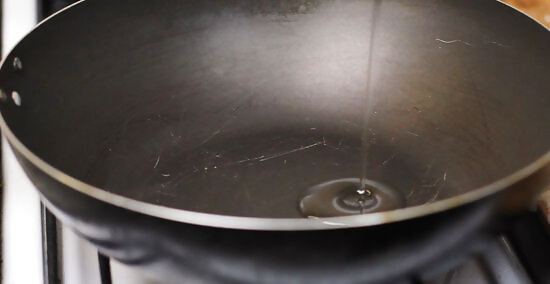
Heat 3 tablespoons (44 ml) of the oil over medium heat. Pour the vegetable oil into a heavy skillet and turn the burner to medium. The oil should shimmer when it's hot enough to fry the fish.
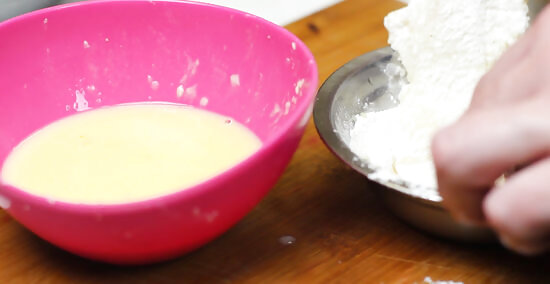
Coat 4 flounder fillets with the buttermilk mixture and cornmeal. Lower each fillet into the wet mixture and turn them to coat both sides. Then lift each fillet up and let the excess buttermilk drip back into the bowl. Put the fillets into the cornmeal so it sticks to both sides of the fillets. Set the coated fillets on a large plate until you're ready to fry them.
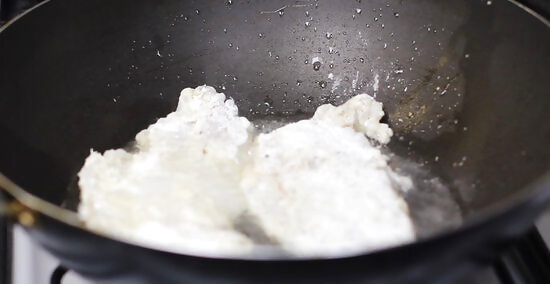
Fry 2 of the fillets in the skillet for 4 minutes on each side over med-heat. Carefully lower 2 of the flounder fillets into the hot oil in the skillet. Let them cook over medium heat for 4 minutes and then use a spatula to flip them over. Cook them for another 4 minutes so they become crisp and browned. The fish should flake easily with a fork once it's finished frying.
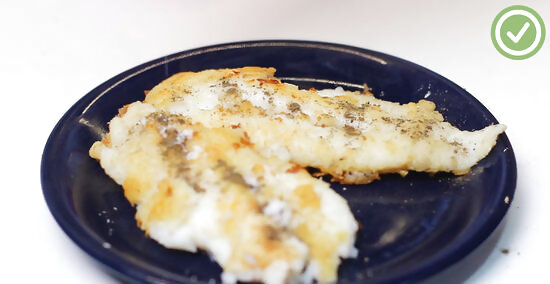
Fry the remaining 2 fillets and serve them immediately. Transfer the fried flounder to a paper-towel lined plate and pour the remaining 3 tablespoons (44 ml) of oil into the skillet. Once it's hot, add the remaining flounder and fry it until it's browned. Serve the cornmeal-crusted flounder immediately. Store leftover flounder in an airtight container in the refrigerator for up to 3 to 4 days. Keep in mind that it will become soggier the longer it's stored.
Deep-Fried Herbed Flounder
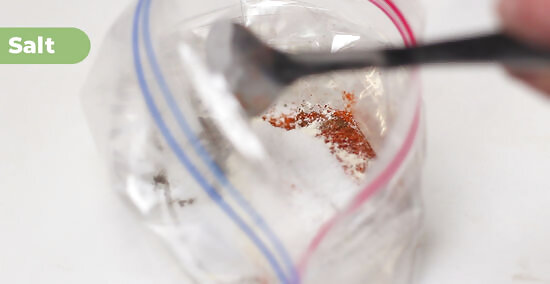
Shake the cayenne, garlic, onion, thyme, salt, pepper, and flour in a bag. Measure 1 cup (120 g) of flour into a sealable bag. Add 1/2 teaspoon (1 g) of cayenne pepper, 1/4 teaspoon (0.5 g) of garlic powder, 1/4 teaspoon (0.5 g) of onion powder, 1 pinch of dried thyme, 1/2 teaspoon (2.5 g) of salt, and 1/4 teaspoon (0.5 g) of black pepper. Seal and shake the bag to combine the dry ingredients. If you prefer, whisk all of the dry ingredients in a shallow plate instead.
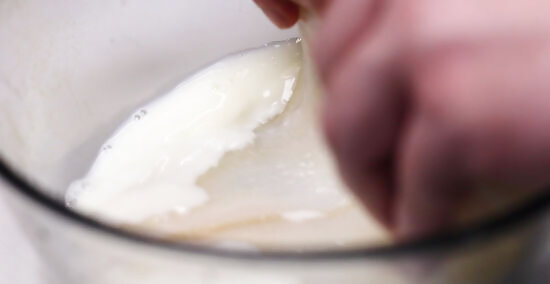
Pour ⁄2 cup (120 ml) of milk into a shallow bowl and dip the fish into it. Get out 2 pounds (0.91 kg) of flounder fillets and lower each fillet into the milk. Coat both sides of the fillets with the milk. The milk will help the dry herb mixture stick to the fillets.
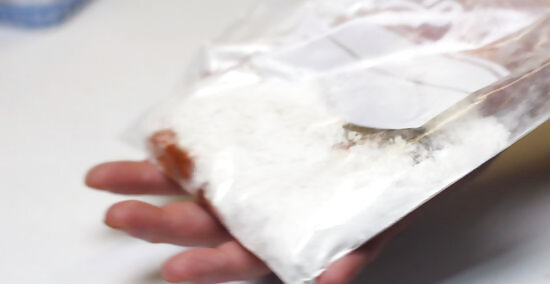
Put the fish fillets in the bag of dry seasoning and turn them to coat. Avoid vigorously shaking the bag or the fish may flake or fall apart. Instead, seal and turn the bag over a few times so the dry mix sticks to the fillets.
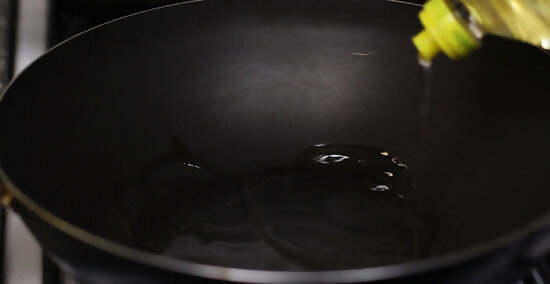
Heat 3 inches (7.5 cm) of oil in a large pot until it reaches 375 °F (191 °C). Pour the vegetable oil into a pot that's at least 5 inches (12.5 cm) deep and turn the burner to medium-high. Clip a candy or deep fry thermometer in the pot so you can see when the oil reaches 375 °F (191 °C). The oil should become hot, but not smoking.
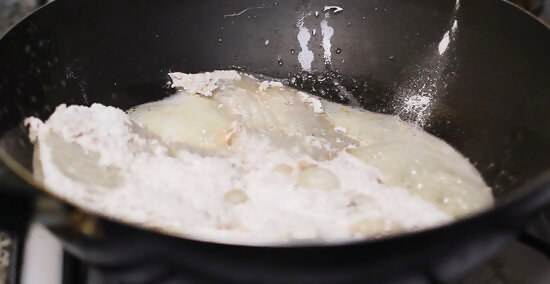
Lower half of the fillets into the oil and fry them for 1 to 2 minutes. Lift the coated flounder fillets out of the seasoning bag and shake off the excess mixture. Slowly lower them into the hot oil and fry them until they turn golden brown.
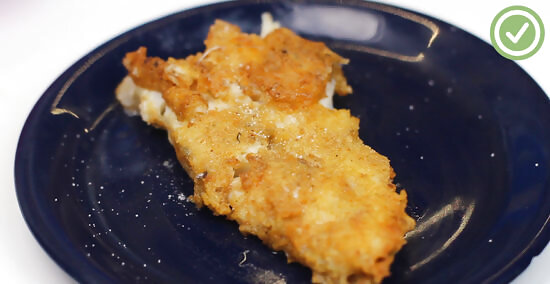
Fry the rest of the fillets and serve them immediately. Use a slotted spoon to lift the fried flounder out of the oil and put them on a paper-towel lined plate. Let the oil come back up to 375 °F (191 °C) and fry the rest of the flounder. Sprinkle a little salt over the deep-fried flounder and serve it immediately. Avoid storing the deep-fried flounder because it will become too soggy.










Comments
0 comment